How to Tell Dry Eye from Allergies
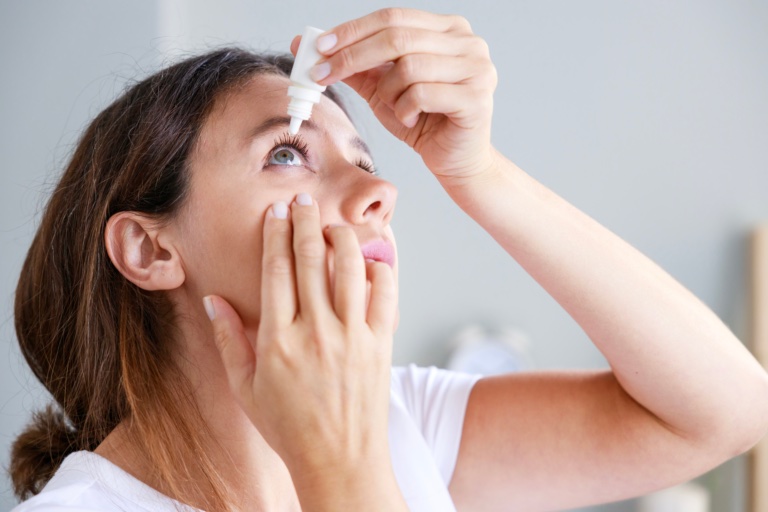 Itchy, watery, irritated eyes are common complaints for many patients, especially during dry, windy, or pollen-heavy seasons. While these symptoms are often blamed on allergies, they may actually be a sign of Dry Eye Syndrome. Since these two conditions share many similarities, it can be difficult to tell them apart without professional evaluation. Understanding the differences between Dry Eye and allergies is usually the first step toward finding lasting relief and protecting your long-term eye health.
At Prestera Eye Medical Group, board-certified ophthalmologist Tory Prestera, MD, PHD, and glaucoma specialist Howard Guan, MD, can diagnose a wide range of ocular conditions, including Dry Eye Syndrome and allergic eye irritation. Our team uses advanced diagnostic techniques to pinpoint the cause of your symptoms and create a personalized treatment plan that helps restore comfort and visual clarity.
Understanding Dry Eye
Dry Eye Syndrome occurs when your eyes do not produce enough tears or when the tears evaporate too quickly to provide adequate lubrication. Tears are composed of three layers: oil, water, and mucus. When one or more of these layers is out of balance, the tear film can become unstable, leading to dryness, irritation, and blurred vision.
Several factors can contribute to Dry Eye, including:
- Aging: Tear production naturally decreases with age.
- Environmental conditions: Wind, smoke, and air conditioning can worsen dryness.
- Digital screen use: Reduced blinking while working at computers or on phones can lead to tear evaporation.
- Contact lens wear: Lenses can absorb moisture from the eyes, intensifying dryness.
- Certain medications or health conditions: Antihistamines, antidepressants, autoimmune disorders, and other factors can all play a role.
Dry Eye can be chronic and progressive, which is why early evaluation and management are key to preventing long-term discomfort or damage to the ocular surface.
Understanding Eye Allergies
Eye allergies, also known as allergic conjunctivitis, occur when the immune system overreacts to a normally harmless substance such as pollen, dust mites, mold, or pet dander. Upon exposure, the body releases histamines, which can trigger inflammation, itching, redness, and tearing.
Unlike Dry Eye, allergic reactions are typically seasonal (in the case of outdoor allergens like pollen) or environmental (caused by indoor triggers). Eye allergies commonly occur alongside nasal symptoms, such as sneezing or congestion, and can flare up quickly when allergens are present.
Common triggers include:
- Pollen from trees, grass, and weeds
- Pet dander
- Dust and mold spores
- Smoke and air pollution
- Certain eye drops or contact lens solutions
While allergies can be uncomfortable, they rarely cause long-term damage to the eyes. However, frequent rubbing can irritate the cornea or worsen inflammation, so proper treatment is essential.
Key Differences Between Dry Eye and Allergies
Although both conditions cause irritation, there are several ways to distinguish between them:
- Itchiness: Severe itching is more common with allergies, while Dry Eye may cause a gritty, burning, or stinging sensation.
- Discharge: Eyes suffering from an allergic reaction often produce watery discharge, whereas Dry Eye Syndrome tends to feel sticky or filmy.
- Timing: Allergy symptoms typically flare up seasonally or after exposure to allergens. Dry Eye symptoms are usually more constant or worsen during activities like reading or computer work.
- Associated symptoms: Allergies often occur with nasal congestion or sneezing, while Dry Eye does not.
- Relief methods: Allergy symptoms generally improve with antihistamines. On the other hand, Dry Eye typically responds better to lubricating drops, warm compresses, or tear-preserving treatments.
Since both conditions can overlap, especially in patients who have allergies that exacerbate dryness, professional testing is often the most reliable way to determine the root cause.
Diagnosis and Treatment Options
At Prestera Eye Medical Group, our ophthalmologists use specialized diagnostic tools to measure tear quality, production, and stability, as well as to assess for inflammation or allergic reaction. Once the cause of your symptoms is determined, we can recommend appropriate treatment tailored to your needs.
Treatment for Dry Eye may include:
- Prescription or over-the-counter artificial tears
- Medications to increase natural tear production
- Punctal plugs to conserve existing tears
- Warm compresses or eyelid hygiene routines
- Advanced in-office therapies to improve tear film health
Treatment for Eye Allergies may include:
- Antihistamine or eye drops
- Oral allergy medications (if appropriate)
- Cold compresses to reduce swelling and itching
- Avoiding or minimizing exposure to known allergens
- Switching to preservative-free drops or contact lens solutions
In some cases, patients may have both Dry Eye and allergic eye irritation. Our doctors can develop a comprehensive approach to treat each component of the problem, ensuring comfort and protection for your eyes year-round.
When to See an Eye Doctor
If your eyes frequently feel dry, itchy, watery, or irritated, and home remedies aren’t providing lasting relief, it may be time to schedule a professional and comprehensive eye exam. Chronic dryness or persistent allergy-like symptoms typically indicate an underlying issue that requires medical attention.
At Prestera Eye Medical Group, we are committed to helping patients achieve long-term comfort and healthy vision. Our experienced ophthalmologists provide compassionate, customized care designed to identify the cause of your symptoms and restore balance to the delicate structures of the eye.
To learn more about Dry Eye and allergies, or to schedule an appointment with Dr. Prestera or Dr. Guan, please contact our office today.