Common Myths About Pterygium and Surgery
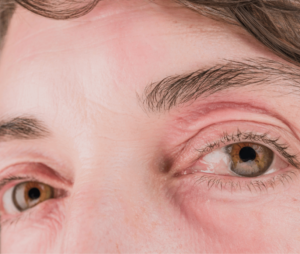 A pterygium is a common, noncancerous growth on the surface of the eye that is closely linked to UV exposure, and it is not always “just cosmetic.” Modern pterygium surgery is generally a quick outpatient procedure with a comfortable recovery and a much lower chance of the growth returning than many people expect.
If you have noticed a pink, fleshy patch creeping from the corner of your eye toward the colored part, you may have a pterygium. It is one of the more common eye-surface conditions eye doctors see, yet it is often surrounded by confusion. Some people worry it is cancer, while others assume it is harmless and never needs attention.
At Prestera Eye Medical Group, we believe clear information leads to better decisions about your eye health. Below, we explain what a pterygium is, how surgery to remove it works, and the truth behind four of the most common myths.
What Is a Pterygium?
A pterygium is a wedge-shaped growth of tissue on the conjunctiva, the clear membrane that covers the white of the eye. It usually starts on the side closest to the nose and can slowly extend onto the cornea. Since it is so common among people who spend time outdoors, it is often nicknamed “surfer’s eye.”
The main risk factor is long-term exposure to ultraviolet (UV) light. Wind, dust, and dry conditions can also play a role. Many people have no symptoms at first, but a pterygium can cause redness, irritation, a gritty or burning feeling, and dryness. As it grows, it may change the shape of the cornea and cause blurry vision.
Mild cases are frequently managed with lubricating eye drops, short courses of anti-inflammatory drops, and good UV protection. Regular check-ups and comprehensive eye exams let your eye doctor track whether the growth is changing.
About Pterygium Surgery
Surgery may be recommended when a pterygium affects your vision, causes ongoing discomfort that drops do not relieve, interferes with contact lens wear, or bothers you cosmetically. This procedure is typically performed on an outpatient basis and often takes less than an hour. Your eye is numbed, and you may be offered light sedation to help you relax.
During pterygium surgery, the abnormal tissue is carefully removed from the surface of the eye. In most modern procedures, the surgeon then covers the area with a small graft of healthy conjunctival tissue, usually taken from under the upper eyelid of the same eye. This graft is commonly secured with a special tissue glue rather than stitches, which can make recovery more comfortable. The graft step is a key reason recurrence rates are much lower today than with older techniques.
After surgery, you will use prescription eye drops for several weeks and attend follow-up visits so your doctor can monitor healing.
Myth #1: A Pterygium Is a Form of Eye Cancer
This is one of the most common fears, and it is understandable since any new growth on the body can feel alarming. The good news is that a pterygium is benign, meaning it is not cancer and does not spread to other parts of the body. That said, a few other eye-surface growths can look similar, and some of those do need different treatment. This is why it is important to have any new or changing spot on your eye examined by an eye care professional rather than diagnosing it yourself.
Myth #2: It’s Only a Cosmetic Problem, So I Can Ignore It
While many people first notice a pterygium because of how it looks, it is not always just cosmetic. As the tissue grows onto the cornea, it can pull on the corneal surface and create astigmatism, which blurs or distorts vision. In advanced cases, it can extend over the center of the cornea and block sight directly. It can also cause chronic redness and irritation. Monitoring a pterygium early gives you more options and helps your doctor decide on the right time for treatment, before vision is affected.
Myth #3: It Will Just Grow Back After Surgery Anyway
This misconception comes from older surgical methods, in which the tissue was removed and the area was left bare to heal on its own. Recurrence rates with that approach were high. Today, techniques such as conjunctival autografting have changed the picture significantly, and most patients do not see the growth return. Protecting your eyes from UV light after surgery and using your prescribed drops as directed can further lower your risk.
Myth #4: Pterygium Surgery Is Painful and Recovery Takes Forever
Since the eye is numbed, most patients feel little to no pain during their procedure. Afterward, it is common to have some scratchiness, tearing, or mild discomfort for a few days, which usually improves steadily. Many people return to light daily activities within several days, though your surgeon may ask you to avoid swimming, dusty environments, and eye rubbing for a period of time. Some redness can linger for a few weeks as the eye heals fully, but the recovery is typically more manageable than many patients expect.
Key Takeaways
- A pterygium is a benign, wedge-shaped growth on the eye’s surface, strongly linked to UV exposure, wind, and dust.
- It is not cancer, but any new or changing growth on the eye should be evaluated by an eye care professional.
- A pterygium can affect more than appearance by causing irritation, astigmatism, and blurred vision as it grows.
- Modern surgery with a conjunctival graft has much lower recurrence rates than older techniques.
- The procedure is often outpatient, and most patients find recovery more comfortable and quicker than they expected.
If you have noticed a growth on your eye or are wondering whether pterygium surgery is right for you, the team at Prestera Eye Medical Group is here to help. Schedule an appointment today for a thorough evaluation and a personalized treatment plan.